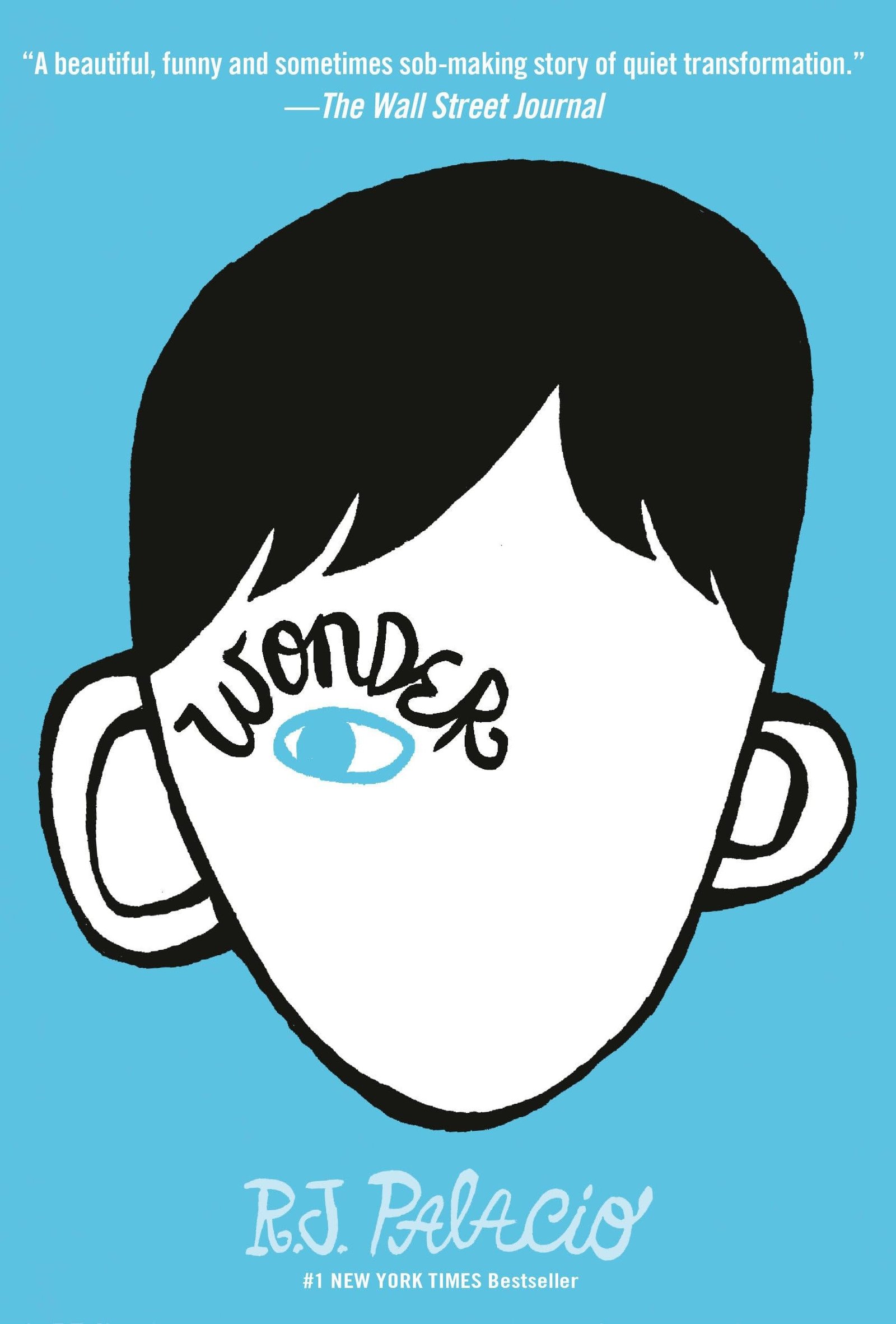
Cover of Wonder by R.J. Palacio

6 book recommendations

Books Like “Wonder” by R.J. Palacio

Readers fell in love with Wonder for its powerful message of kindness, unforgettable characters, and heartwarming perspective on overcoming adversity. If you are craving another moving middle-grade story that champions empathy and individuality, you are in the right place. Dive in to discover your next favorite book today.

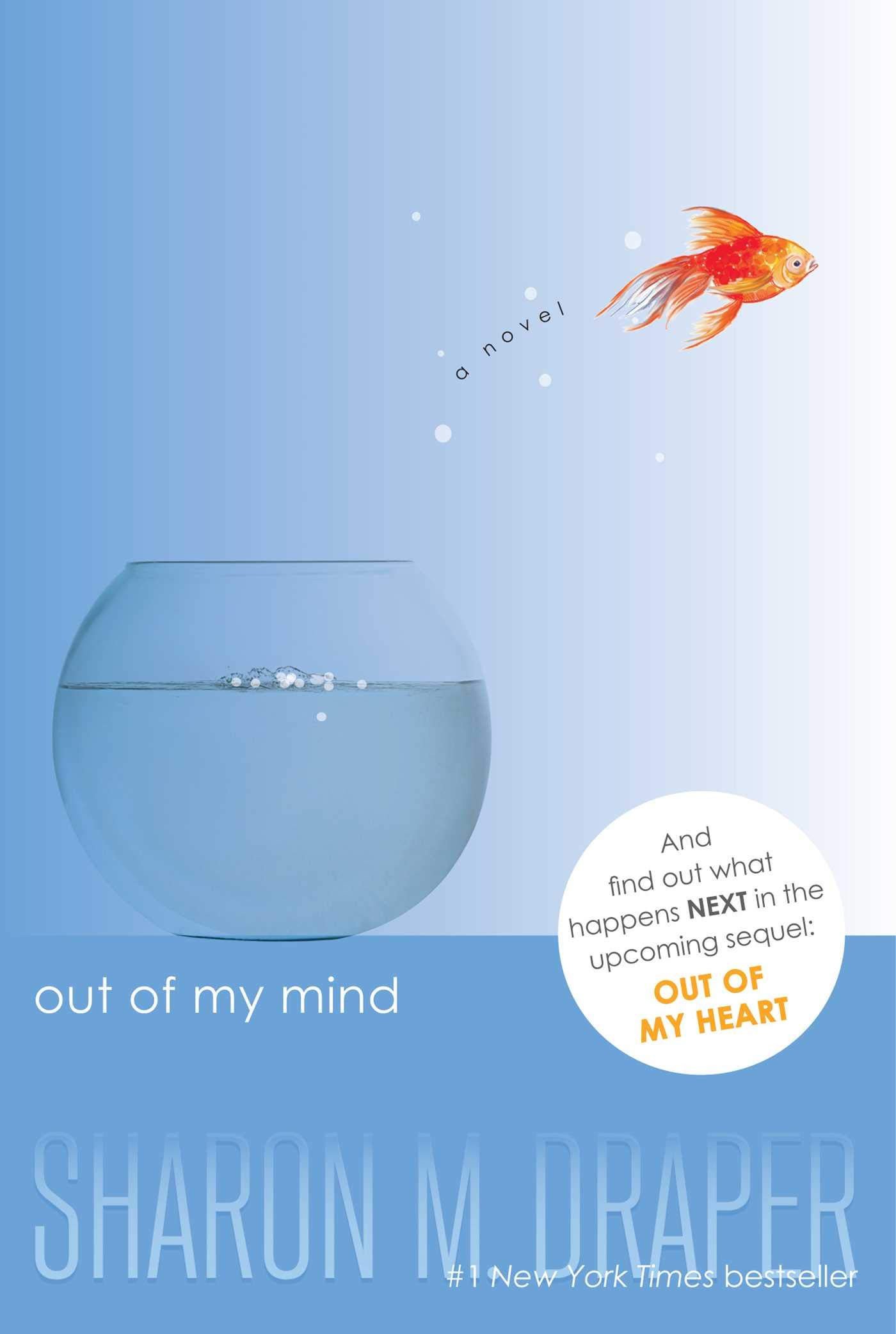
  1. Cover of Out of My Mind by Sharon M. Draper

    Cover not available

    Out of My Mind

    by Sharon M. Draper

    From a multiple Coretta Scott King Award-winning author comes the story of a brilliant girl that no one knows about because she cannot speak or write. "If there is one book teens and parents (and everyone else) should read this year, "Out of My Mind" should be it.O--"Denver Post."

    Why it's similar

    Both are middle-grade realistic fiction novels centered on a protagonist with a severe physical condition who faces social isolation and prejudice when entering a mainstream school setting.

    What's different

    Unlike the multi-perspective structure of Wonder, this story is narrated strictly in the first person by Melody, a non-verbal girl with cerebral palsy whose central challenge is communicating her inner intelligence to the world.
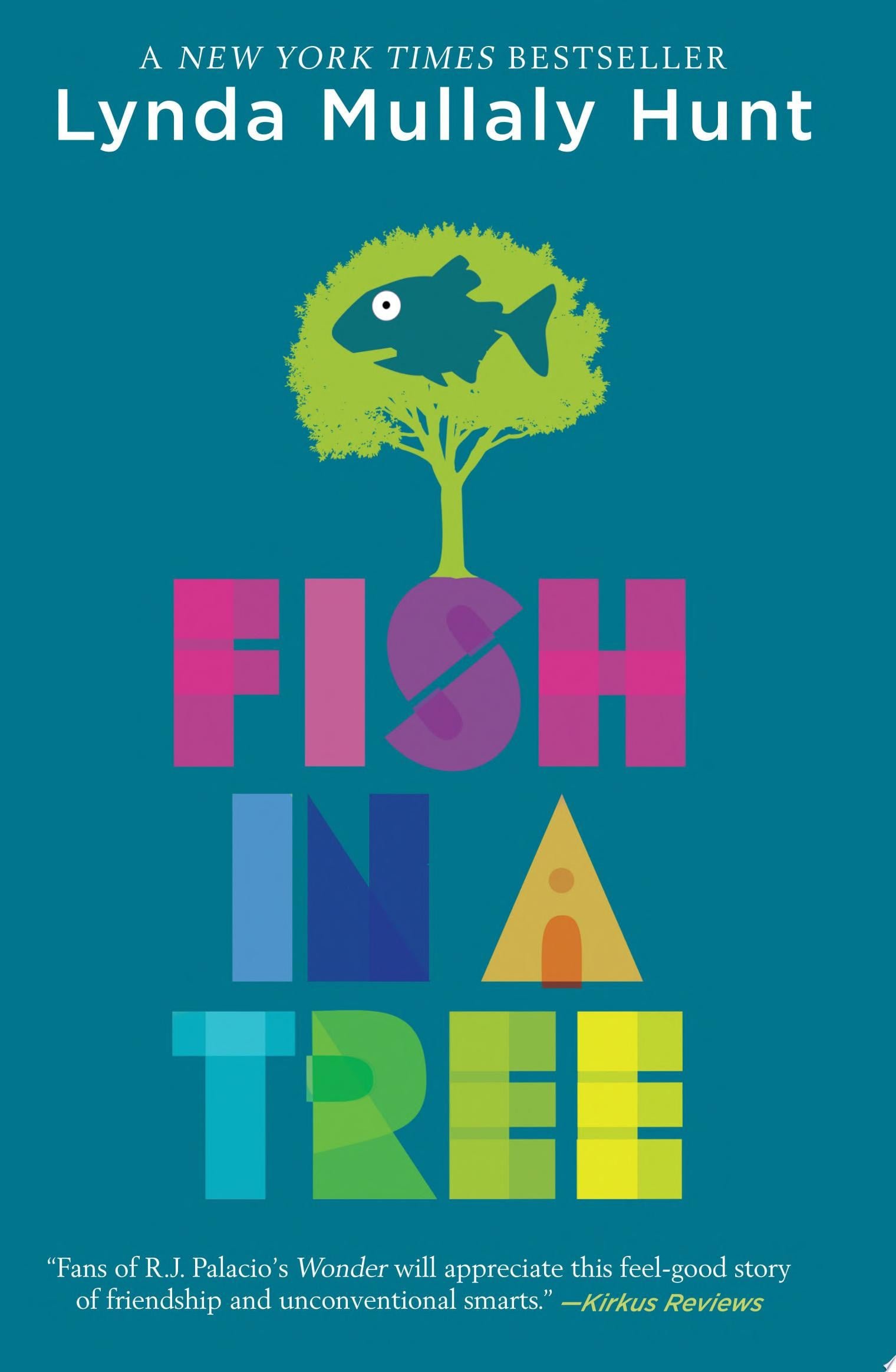
  2. Cover of Fish in a Tree by Lynda Mullaly Hunt

    Cover not available

    Fish in a Tree

    by Lynda Mullaly Hunt

    A New York Times Bestseller • An emotionally-charged, uplifting novel that will speak to anyone who’s ever thought there was something wrong with them because they didn’t fit in.

    "Fans of R.J. Palacio’s Wonder will appreciate this feel-good story of friendship and unconventional smarts.” —Kirkus Reviews

    Ally has been smart enough to fool a lot of smart people. Every time she lands in a new school, she is able to hide her inability to read by creating clever yet disruptive distractions. She is afraid to ask for help; after all, how can you cure dumb? However, her newest teacher Mr. Daniels sees the bright, creative kid underneath the trouble maker. With his help, Ally learns not to be so hard on herself and that dyslexia is nothing to be ashamed of. As her confidence grows, Ally feels free to be herself and the world starts opening up with possibilities. She discovers that there’s a lot more to her—and to everyone—than a label, and that great minds don’t always think alike.

    This paperback edition includes The Sketchbook of Impossible Things and discussion questions.

    Why it's similar

    Both books deal with the emotional vulnerability of feeling like an outcast in a middle school classroom, highlighting themes of empathy, peer cruelty, and the life-changing support of an observant teacher.

    What's different

    The protagonist copes with an invisible learning disability (dyslexia) rather than a visible physical difference, and the narrative is told entirely through her singular viewpoint.

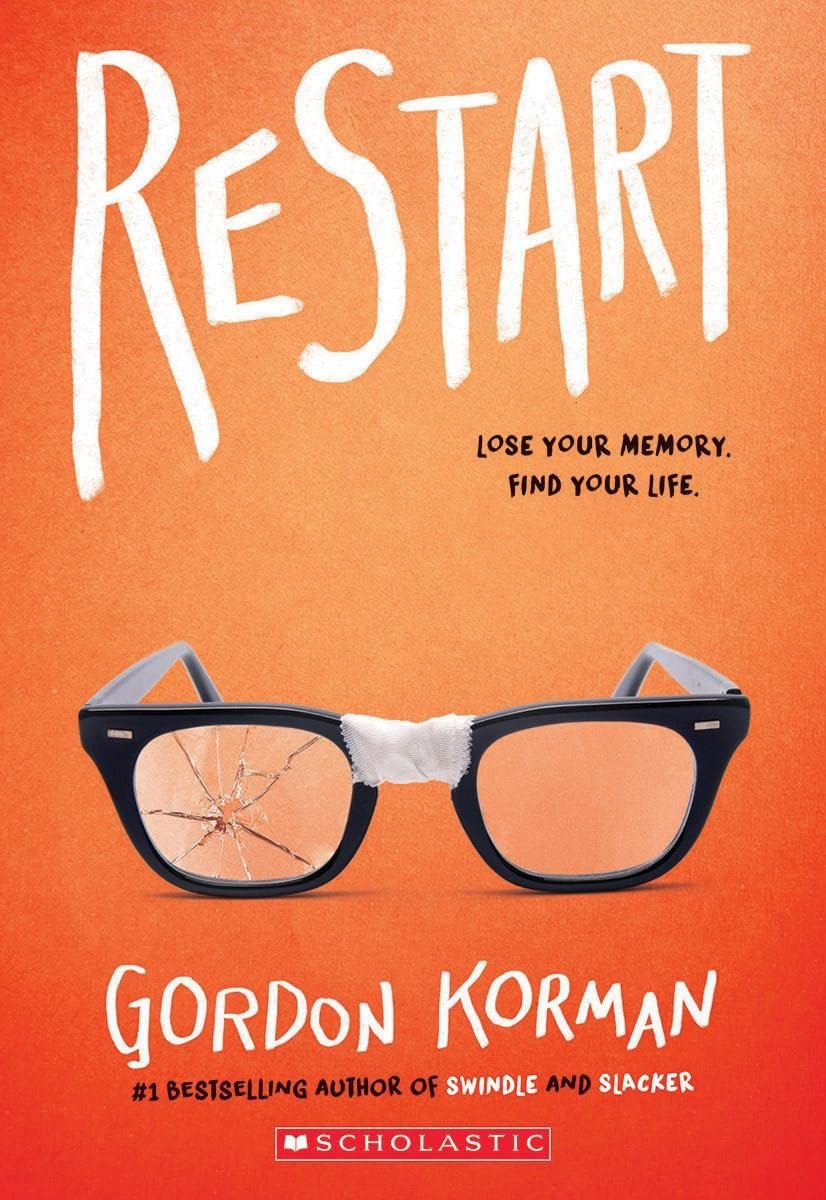
  3. Cover of Restart by Gordon Korman

    Cover not available

    Restart

    by Gordon Korman

    The amazing New York Times bestseller about what you can do when life gives you a second chance.

    Chase's memory just went out the window.

    Chase doesn't remember falling off the roof. He doesn't remember hitting his head. He doesn't, in fact, remember anything. He wakes up in a hospital room and suddenly has to learn his whole life all over again . . . starting with his own name.

    He knows he's Chase. But who is Chase? When he gets back to school, he sees that different kids have very different reactions to his return.

    Some kids treat him like a hero. Some kids are clearly afraid of him.

    One girl in particular is so angry with him that she pours her frozen yogurt on his head the first chance she gets.

    Pretty soon, it's not only a question of who Chase is--it's a question of who he was . . . and who he's going to be.

    From the #1 bestselling author of Swindle and Slacker, Restart is the spectacular story of a kid with a messy past who has to figure out what it means to get a clean start.

    Why it's similar

    Both novels employ a multi-perspective narrative structure among middle school peers to dissect school social dynamics, bullying, and the deliberate choice to practice kindness.

    What's different

    The story centers on a former bully who develops amnesia after a fall and attempts to rebuild his character, exploring empathy and redemption from the perspective of the wrongdoer rather than the target.

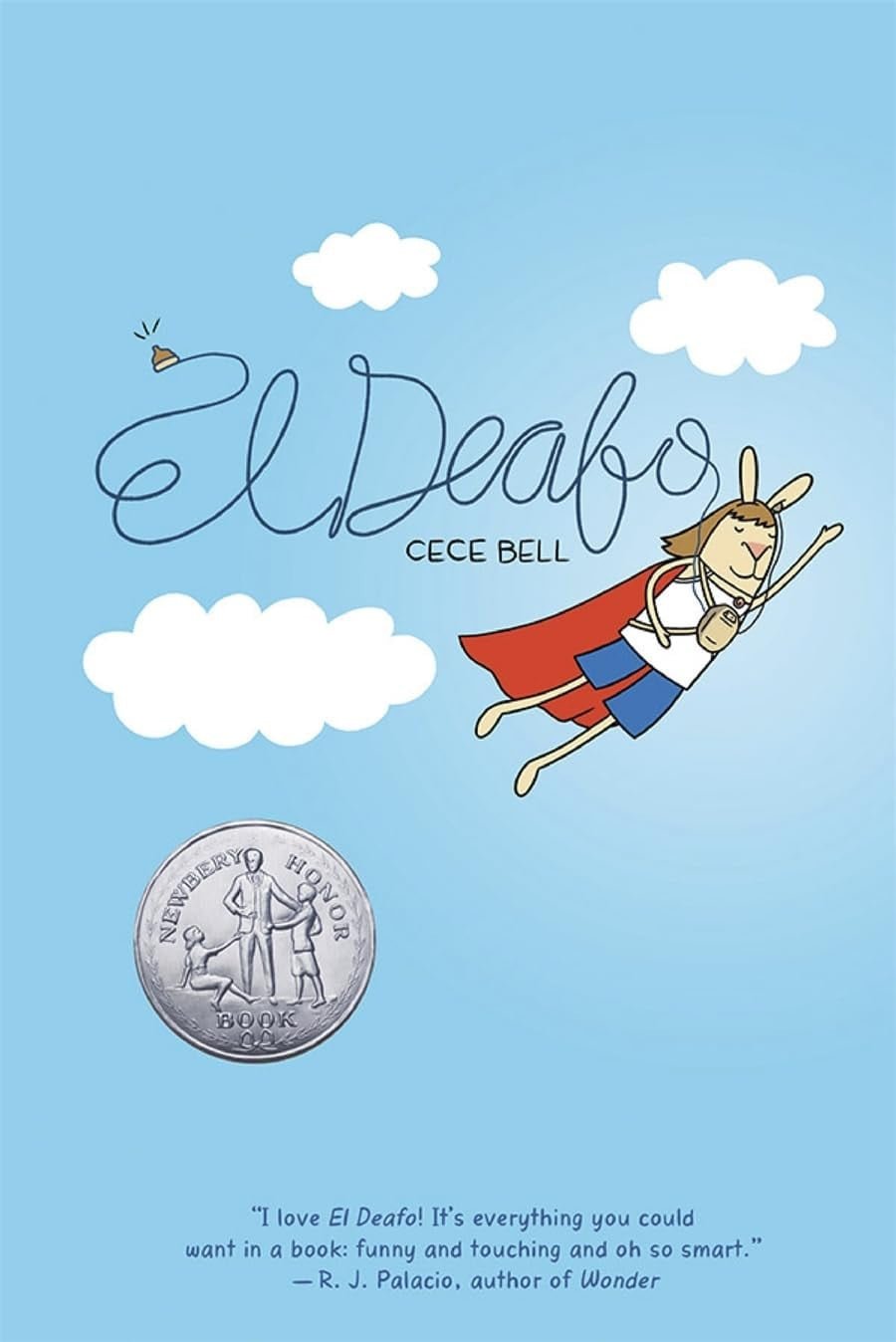
  4. Cover of El Deafo by Cece Bell

    Cover not available

    El Deafo

    by Cece Bell

    New York Times Bestseller

    A 2015 Newbery Honor Book Going to school and making new friends can be tough. But going to school and making new friends while wearing a bulky hearing aid strapped to your chest? That requires superpowers! In this funny, poignant graphic novel memoir, author/illustrator Cece Bell chronicles her hearing loss at a young age and her subsequent experiences with the Phonic Ear, a very powerful--and very awkward--hearing aid.
    The Phonic Ear gives Cece the ability to hear--sometimes things she shouldn't--but also isolates her from her classmates. She really just wants to fit in and find a true friend, someone who appreciates her as she is. After some trouble, she is finally able to harness the power of the Phonic Ear and become "El Deafo, Listener for All." And more importantly, declare a place for herself in the world and find the friend she's longed for.

    PRAISE FOR EL DEAFO
    STARRED REVIEWS
    "A standout autobiography. Someone readers will enjoy getting to know."
    --Publishers Weekly, starred review

    "Worthy of a superhero."
    --Kirkus Reviews, starred review

    "This empowering autobiographical story belongs right next to Raina Telgemeier's Smile (2011) and Liz Prince's Tomboy."
    --Booklist

    Why it's similar

    Both works address a young student's acute self-consciousness about physical differences and medical devices when trying to make friends and fit in at a new school.

    What's different

    It is a semi-autobiographical graphic novel featuring anthropomorphic rabbit characters, providing a more visual, humorous, and memoir-based narrative centered on hearing impairment.

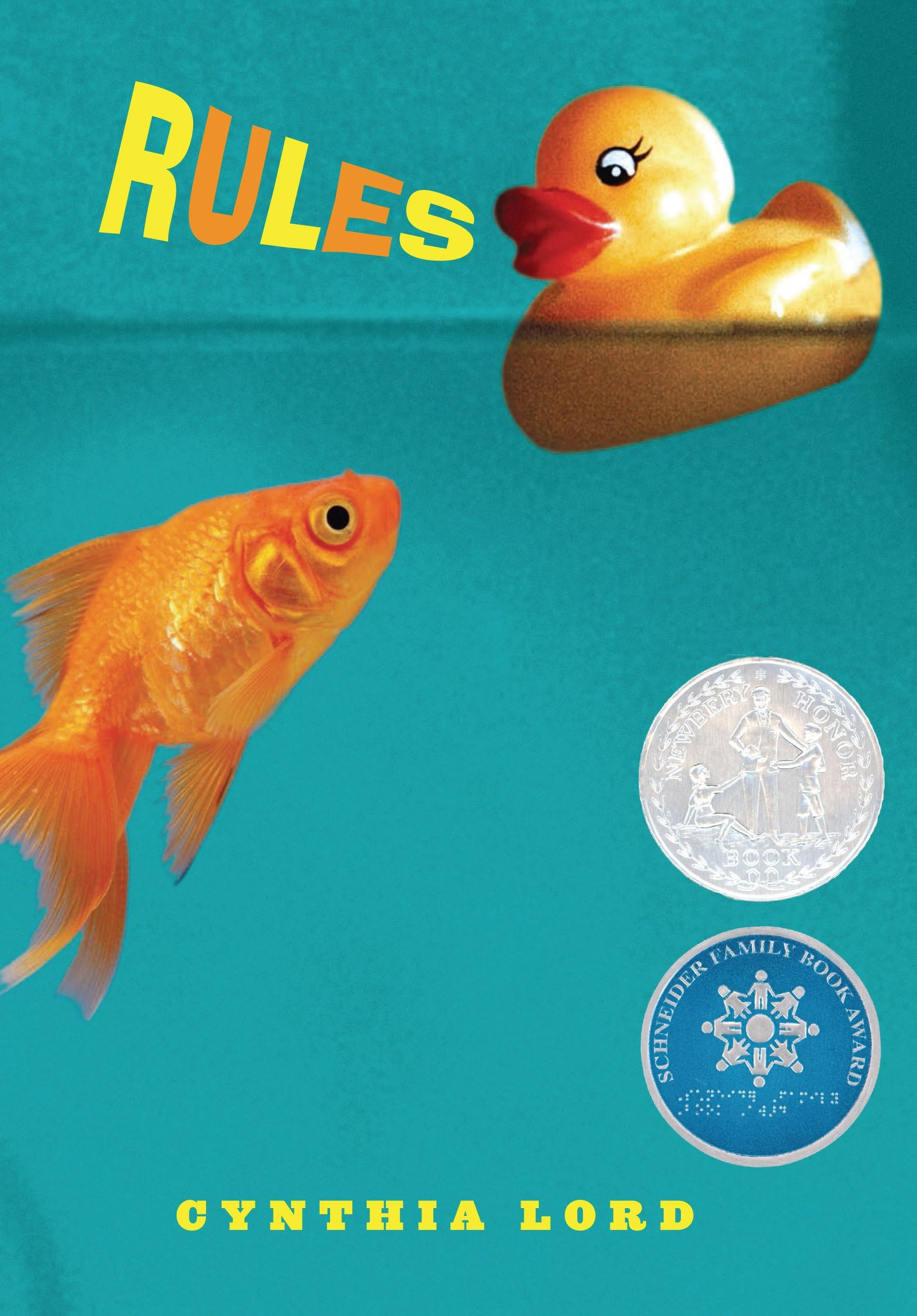
  5. Cover of Rules by Cynthia Lord

    Cover not available

    Rules

    by Cynthia Lord

    This Newbery Honor Book is a heartfelt and witty story about feeling different and finding acceptance--beyond the rules.
    Twelve-year-old Catherine just wants a normal life. Which is near impossible when you have a brother with autism and a family that revolves around his disability. She's spent years trying to teach David the rules-from "a peach is not a funny-looking apple" to "keep your pants on in public"-in order to stop his embarrassing behaviors. But the summer Catherine meets Jason, a paraplegic boy, and Kristi, the next-door friend she's always wished for, it's her own shocking behavior that turns everything upside down and forces her to ask: What is normal?

    Why it's similar

    Both middle-grade novels examine the social stigma surrounding physical and developmental differences and emphasize learning to look beyond outward appearances to form genuine friendships.

    What's different

    The narrative centers on a twelve-year-old girl struggling with the social embarrassment and familial demands of having a brother with autism, shifting the primary focus to the sibling experience.

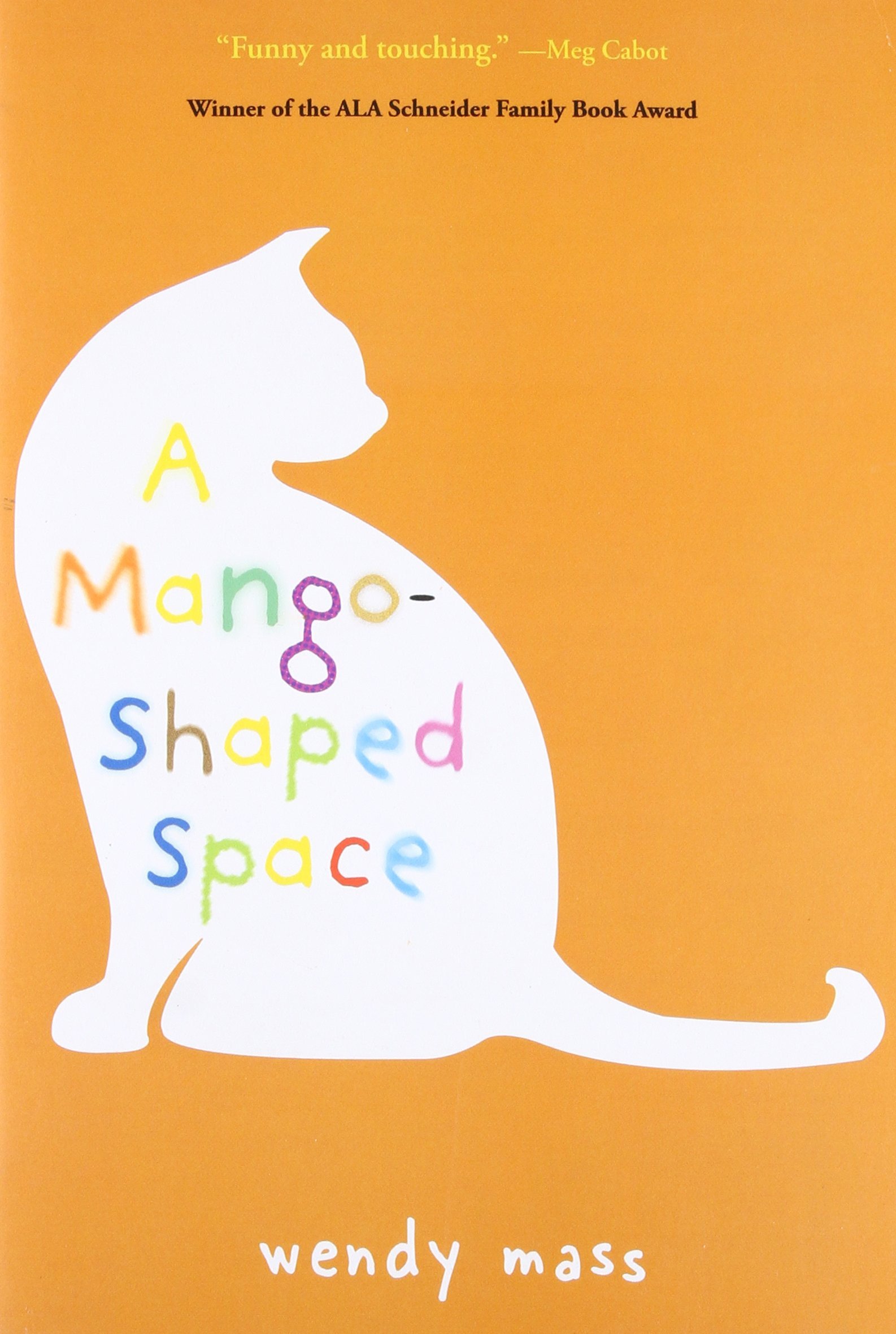
  6. Cover of A Mango-Shaped Space by Wendy Mass

    Cover not available

    A Mango-Shaped Space

    by Wendy Mass

    An award-winning book from the author of Jeremy Fink and the Meaning of Life and The Candymakers for fans for of Wonder and Counting by Sevens.
    Thirteen-year-old Mia Winchell is far from ordinary: she suffers from a rare condition called synesthesia, the mingling of perceptions whereby a person can see sounds, smell colors, or taste shapes. But because she has kept it a secret from everyone, she appears to be the most normal kid in her family. Her younger brother Zack keeps a chart of all the McDonald's hamburgers he's eaten in his lifetime. Her older sister Beth dyes her hair a different color every week and might be a witch.
    When trouble in the school finally convinces Mia to reveal her secret, she feels like a freak; and as she embarks on an intense journey of self-discovery, her family and friends have trouble relating to her. By the time she realizes she has isolated herself from all the people who care about her, it is almost too late. Mia has to lose something very special in order to understand and appreciate her special gift in this coming-of-age novel.

    Why it's similar

    Like Wonder, it is a middle-grade contemporary novel about a girl whose unusual neurological condition sets her apart, exploring bullying, friendship, and self-acceptance in a school and family setting.

    What's different

    It spends more time on the inner experience of synesthesia and grief than on school-wide social dynamics, and the tone is slightly more introspective and bittersweet than Wonder’s generally uplifting arc.

Looking for something else?

Use our book recommendation tool to discover books similar to any of your favorites.

Find similar books with LibroMatch