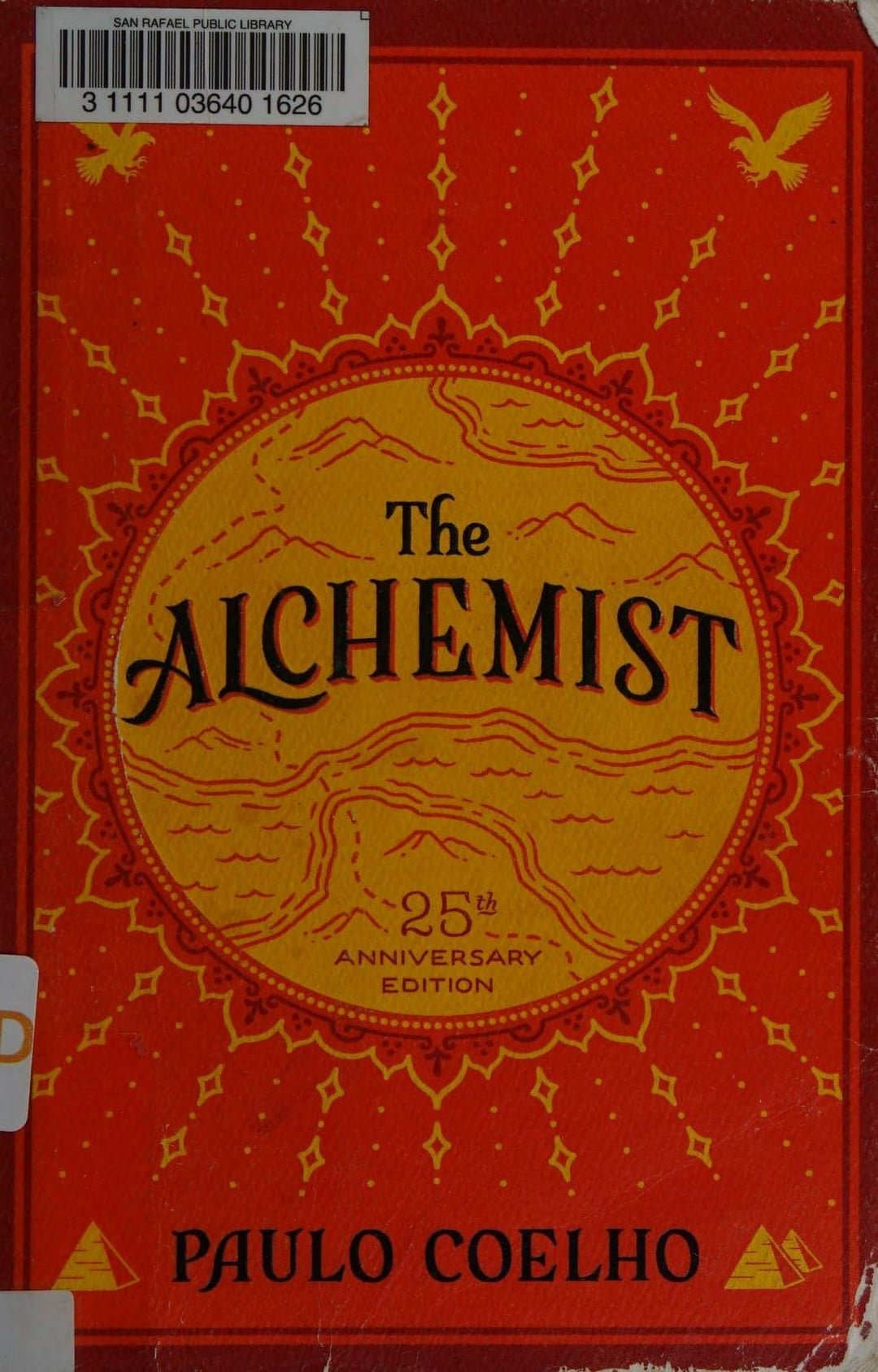

Cover of The Alchemist by Paulo Coelho

5 book recommendations

Books Like “The Alchemist” by Paulo Coelho

If you were captivated by Santiago’s journey, you understand the timeless appeal of Paulo Coelho’s inspiring fable. Readers cherish The Alchemist for its spiritual wisdom, themes of destiny, and encouragement to pursue life's deepest callings. Explore our curated selection of profound philosophical tales to discover your next transformative read.

  1. Cover of Siddhartha by Hermann Hesse

    Cover not available

    Siddhartha

    by Hermann Hesse

    When Herman Hesse visited India in the early days of the 20th century, he was captivated by the people, their customs, their culture, and their religion. On returning to Germany, he wrote a masterpiece on a young man's search for identity and meaning in a civilization that has lost its way. Loosely based on the early life of the Buddha, the book documents the journey of self-discovery and spiritual awakening of a character called Siddhartha.

    Why it's similar

    Both are philosophical fables following a young protagonist on a physical and spiritual pilgrimage to attain self-realization and inner peace.

    What's different

    Siddhartha spans an entire lifetime steeped in Buddhist and Hindu traditions, adopting a more somber, meditative tone than Coelho's folkloric adventure.
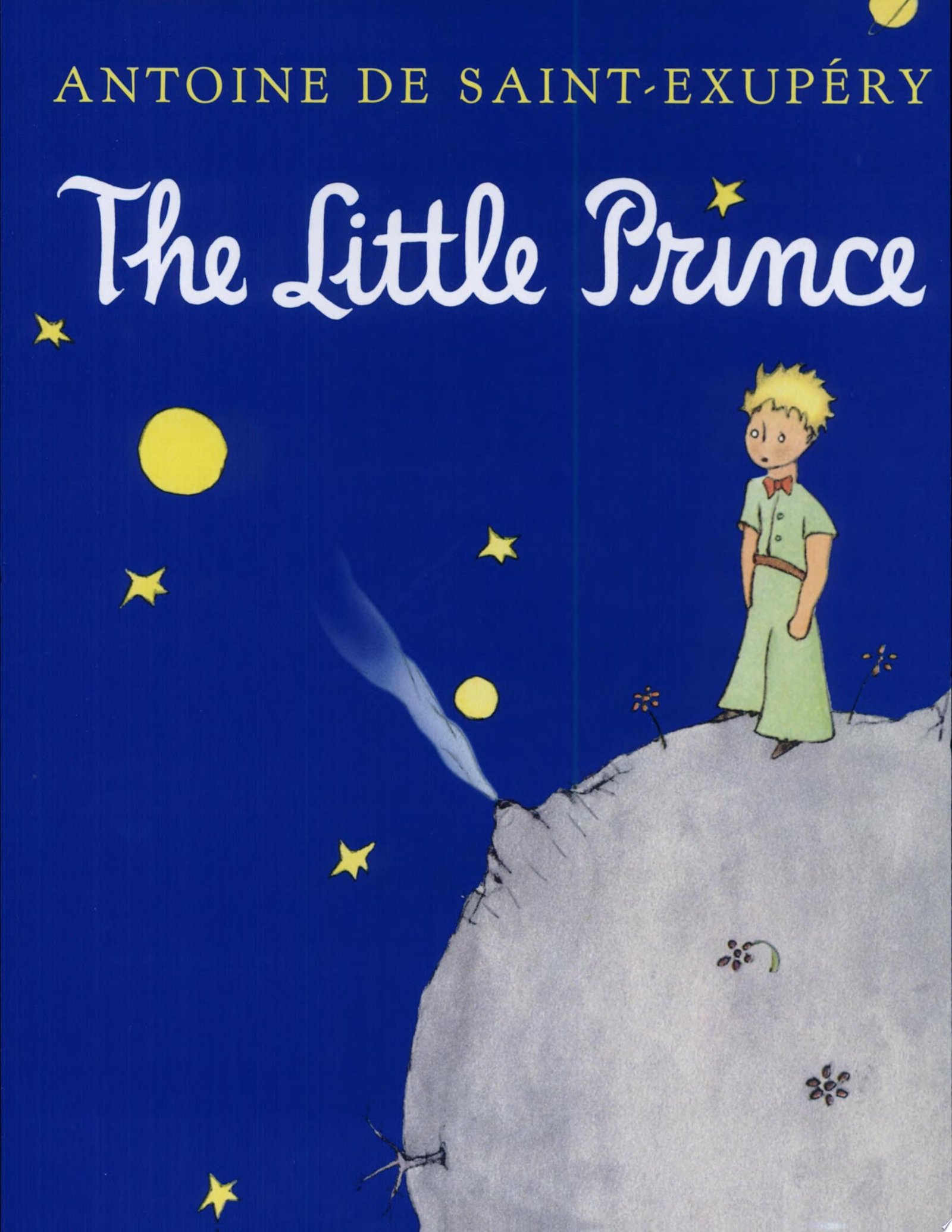
  2. Cover of The Little Prince by Antoine de Saint-Exupéry

    Cover not available

    The Little Prince

    by Antoine de Saint-Exupéry

    This beloved, world-famous allegorical classic about a young prince on a quest for knowledge is an essential read for every home library.

    Combining Richard Howard's translation with restored original full-color art, this definitive English-language edition of The Little Prince will capture the hearts of readers of all ages.

    Few stories are as widely read and as universally cherished by children and adults alike as The Little Prince. When a pilot crashes in the Sahara Desert, he meets a little boy who asks him to draw a sheep. Gradually the Little Prince reveals more about himself: He comes from a small asteroid, where he lived alone until a rose grew there.

    But the rose grew demanding, and he was confused by his feelings about her. The story unfolds further from one planet to the next in a thoughtful philosophical exploration of love and the ephemeral.

    Why it's similar

    Both works use allegorical quest structures and desert encounters to teach universal lessons about listening to one's heart and seeing beyond the visible world.

    What's different

    Saint-Exupéry's narrative is framed as a whimsical children's fairy tale with surreal interplanetary travel and carries a distinctly bittersweet, melancholic ending.

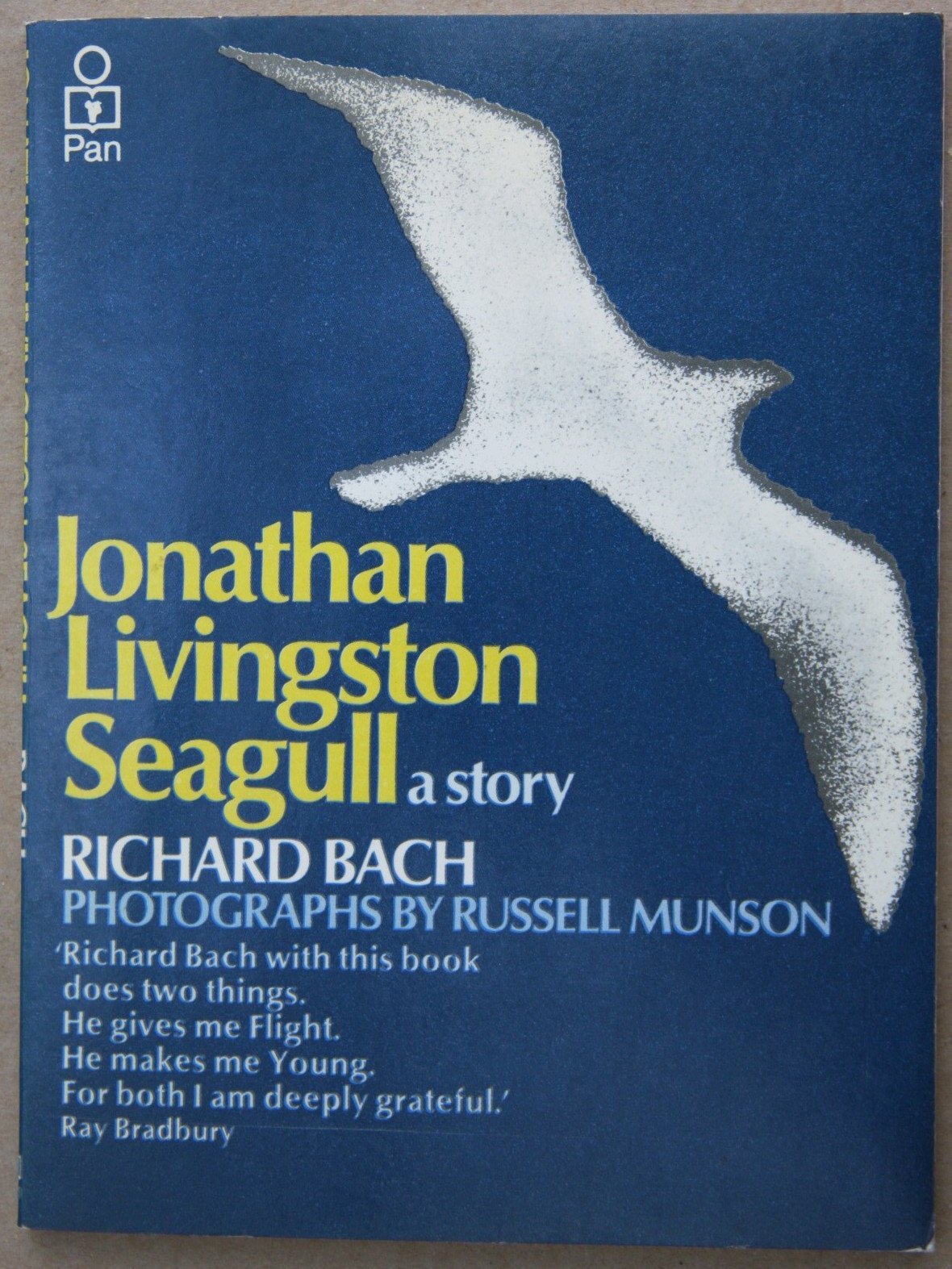
  3. Cover of Jonathan Livingston Seagull by Richard Bach

    Cover not available

    Jonathan Livingston Seagull

    by Richard Bach

    Because he spends so much time perfecting his flying form instead of concentrating on getting food, a seagull is ostracized by the rest of the flock.

    Why it's similar

    Both books are parabolic journeys centered on the pursuit of one's personal calling despite resistance and misunderstanding from the conformist majority.

    What's different

    Bach's story uses an anthropomorphic animal perspective centered on flight, presenting a shorter, more abstract, and New Age metaphysical approach.

  4. Cover of The Celestine Prophecy by James Redfield

    Cover not available

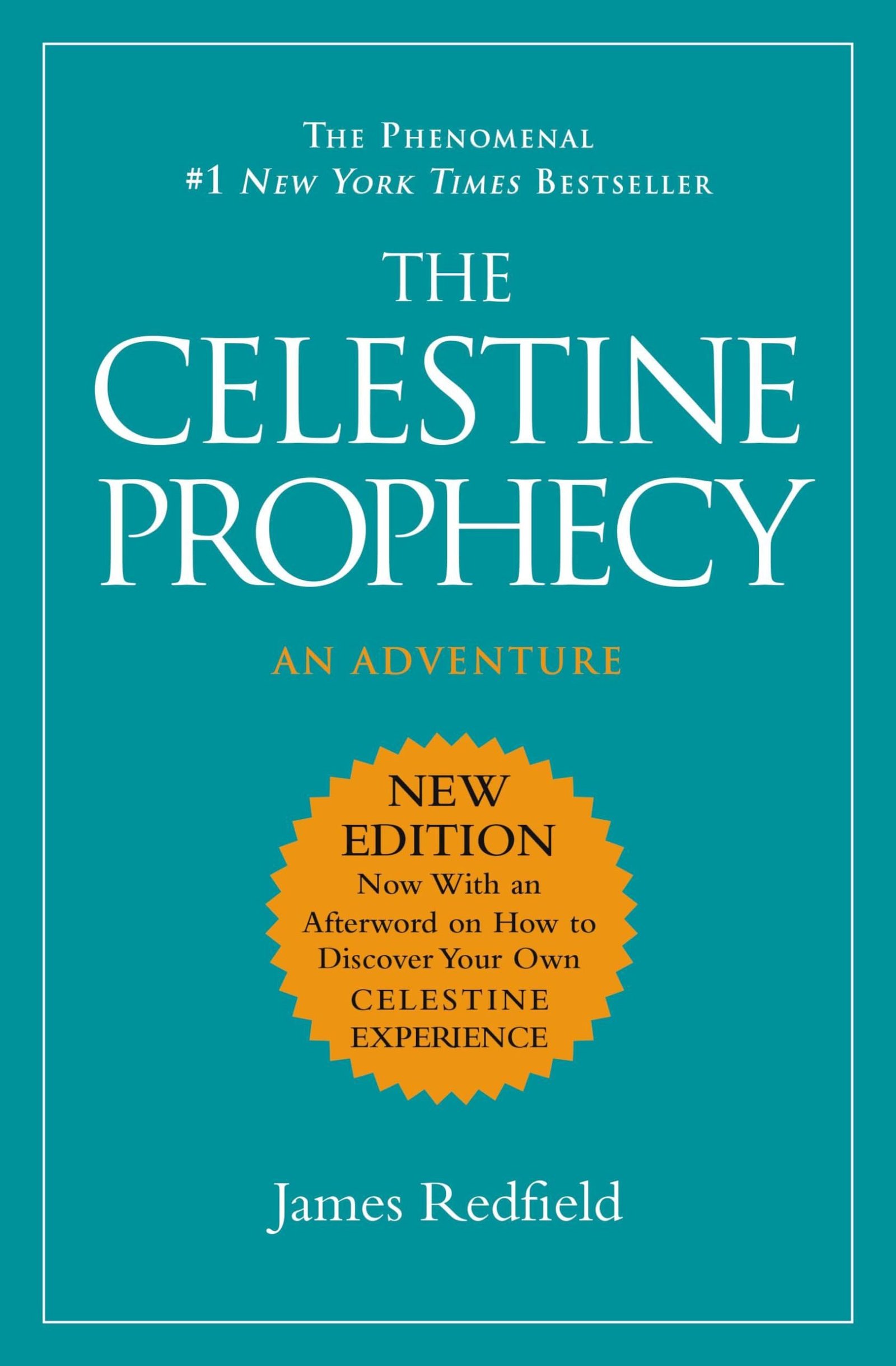
    The Celestine Prophecy

    by James Redfield

    The #1 bestselling phenomenon with millions of copies sold around the world -- now with a guide to creating your own Celestine Prophecy experience.

    You have never read a book like this before--a book that comes along once in a lifetime to change lives forever.

    In the rain forests of Peru, an ancient manuscript has been discovered. Within its pages are 9 key insights into life itself -- insights each human being is predicted to grasp sequentially; one insight, then another, as we move toward a completely spiritual culture on Earth.

    Drawing on ancient wisdom, it tells you how to make connections among the events happening in your life right now and lets you see what is going to happen to you in the years to come. The story it tells is a gripping one of adventure and discovery, but it is also a guidebook that has the power to crystallize your perceptions of why you are where you are in life and to direct your steps with a new energy and optimism as you head into tomorrow.

    Praise for The Celestine Prophecy
    "A gripping adventure story filled with intrigue, suspense, and spiritual revelations." - Commonwealth Journal

    "A spiritual classic...a book to read and reread, to cherish, and to give to friends." - Joan Borysenko, PhD, author of Fire in the Soul

    "In his inimitable style of great storytelling, Redfield opens us up to a world of insight, inspiration, synchronicity, and power." - Deepak Chopra

    Why it's similar

    Both follow a protagonist on a journey filled with meaningful coincidences and mentors, blending adventure and mysticism to explore spiritual awakening and the idea of a guiding destiny.

    What's different

    The narrative is more overtly didactic and structured around specific spiritual “insights,” with a thriller-like plot and more complex worldbuilding.

  5. Cover of The Famished Road by Ben Okri

    Cover not available

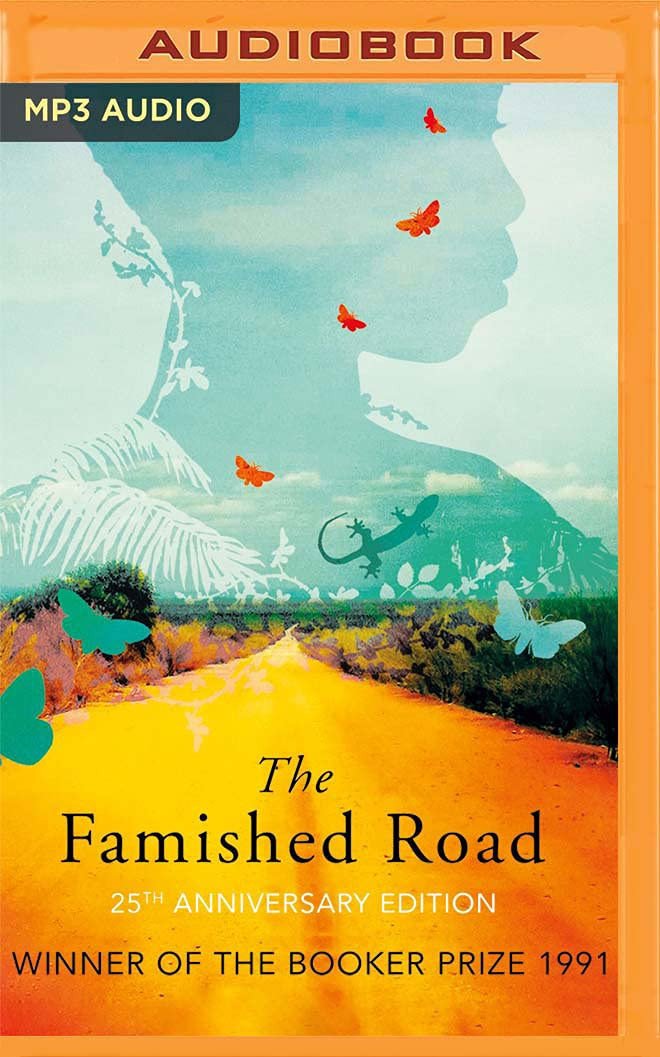
    The Famished Road

    by Ben Okri

    Product Description

    Winner of The Booker Prize 1991
    So long as we are alive, so long as we feel, so long as we love, everything in us is an energy we can use.
    He is born into a world of poverty, ignorance and injustice, but Azaro awakens with a smile on his face. Despite belonging to a spirit world made of enchantment, where there is no suffering, Azaro chooses to stay in the land of the Living: to feel it, endure it, know it and love it.
    This is his story.

    About the Author

    Ben Okri was born in Minna, Nigeria. His childhood was divided between Nigeria, where he saw first hand the consequences of war, and London. He has won many prizes over the years for his fiction, and is also an acclaimed essayist, playwright, and poet.

    Why it's similar

    Both use elements of mysticism and magical realism to follow a spiritually significant journey, exploring fate, struggle, and the intersection of the material and spiritual worlds.

    What's different

    The prose is denser and more surreal, with a sprawling, magical realist narrative that is more challenging and less overtly instructional than Coelho’s parable style.

Looking for something else?

Use our book recommendation tool to discover books similar to any of your favorites.

Find similar books with LibroMatch