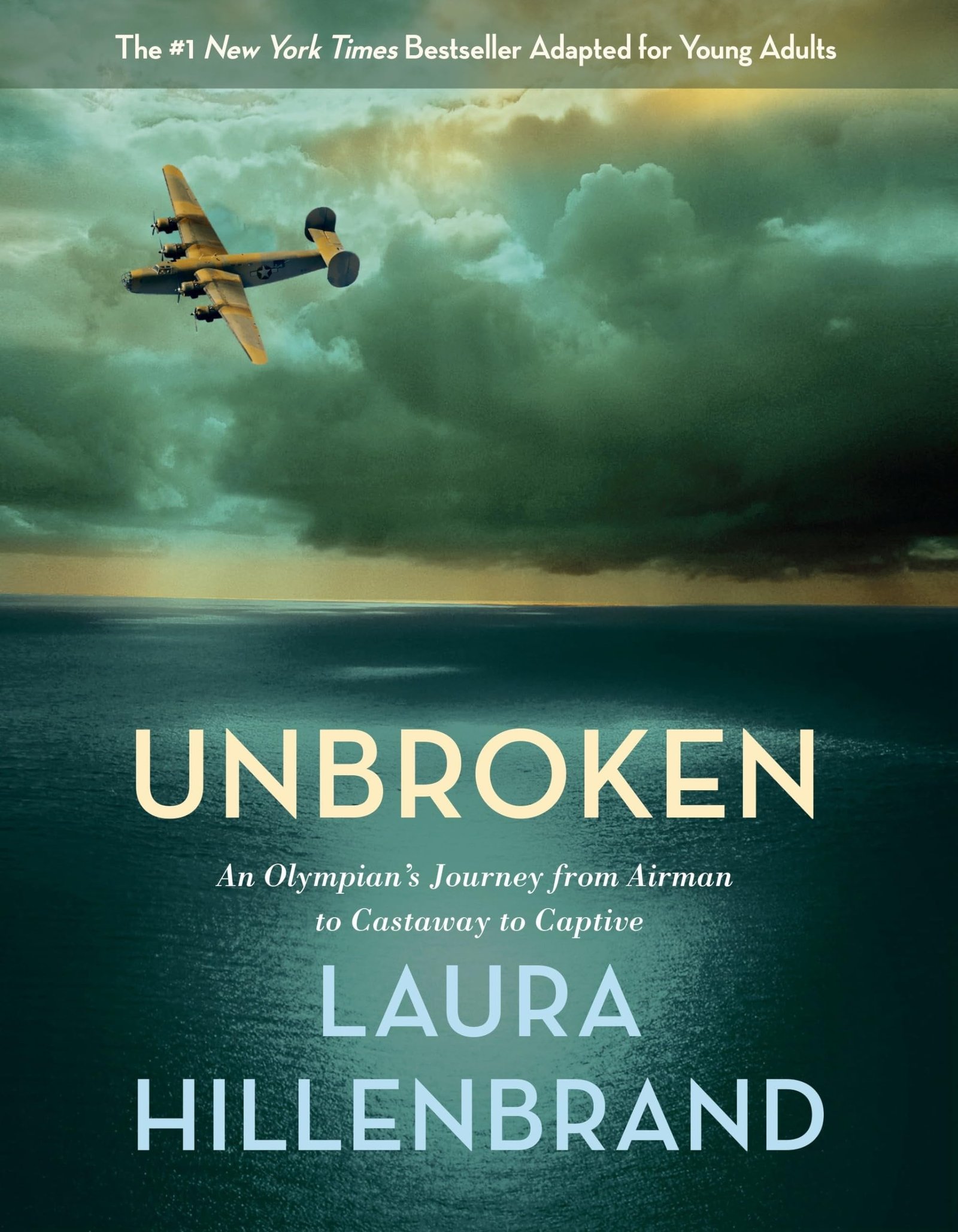
Cover of Unbroken: A World War II Story of Survival, Resilience and Redemption by Laura Hillenbrand

5 book recommendations

Books Like “Unbroken: A World War II Story of Survival, Resilience and Redemption” by Laura Hillenbrand

Laura Hillenbrand's Unbroken captivated readers with its gripping blend of World War II history, harrowing survival, and the unconquerable strength of the human spirit. If you crave intense narrative nonfiction celebrating real-life courage against impossible odds, you are in the right place. Explore our top recommendations below to discover your next unforgettable read.

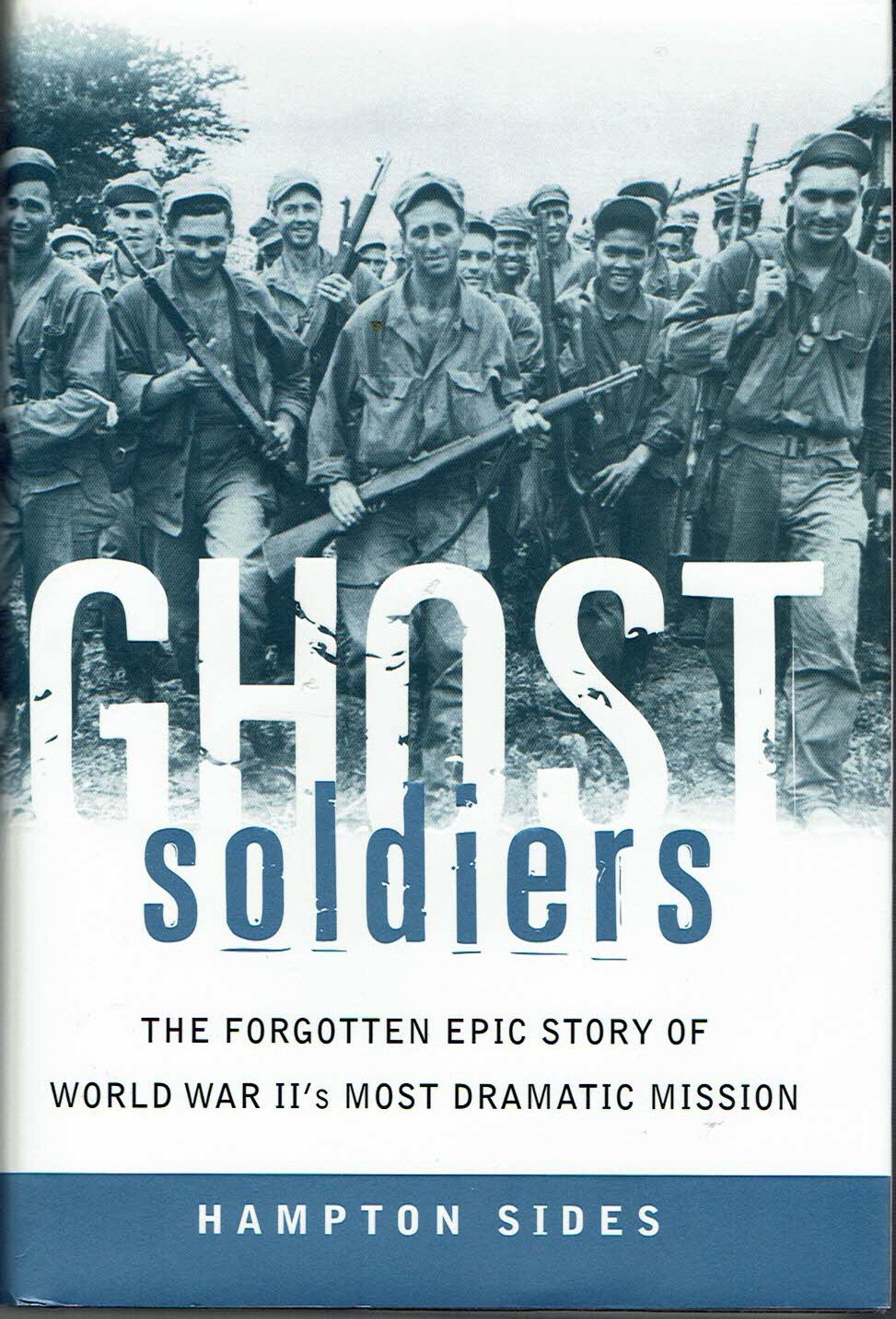
  1. Cover of Ghost Soldiers: The Epic Account of World War II's Greatest Rescue Mission by Hampton Sides

    Cover not available

    Ghost Soldiers: The Epic Account of World War II's Greatest Rescue Mission

    by Hampton Sides

    “The greatest World War II story never told” (Esquire)—an enthralling account of the heroic mission to rescue the last survivors of the Bataan Death March. On January 28, 1945, 121 hand-selected U.S. troops slipped behind enemy lines in the Philippines. Their mission: March thirty rugged miles to rescue 513 POWs languishing in a hellish camp, among them the last survivors of the infamous Bataan Death March. A recent prison massacre by Japanese soldiers elsewhere in the Philippines made the stakes impossibly high and left little time to plan the complex operation. In Ghost Soldiers Hampton Sides vividly re-creates this daring raid, offering a minute-by-minute narration that unfolds alongside intimate portraits of the prisoners and their lives in the camp. Sides shows how the POWs banded together to survive, defying the Japanese authorities even as they endured starvation, tropical diseases, and torture. Harrowing, poignant, and inspiring, Ghost Soldiers is the mesmerizing story of a remarkable mission. It is also a testament to the human spirit, an account of enormous bravery and self-sacrifice amid the most trying conditions.

    Why it's similar

    Both books chronicle the harrowing experiences of American servicemen enduring brutal conditions in Japanese prisoner-of-war camps during World War II. They share themes of physical resilience, psychological endurance, and brotherhood under extreme cruelty.

    What's different

    While Unbroken centers on the personal biography of a single individual, Ghost Soldiers focuses on a collective military operation combining the perspectives of POWs, Filipino guerrillas, and U.S. Army Rangers executing a rescue raid.
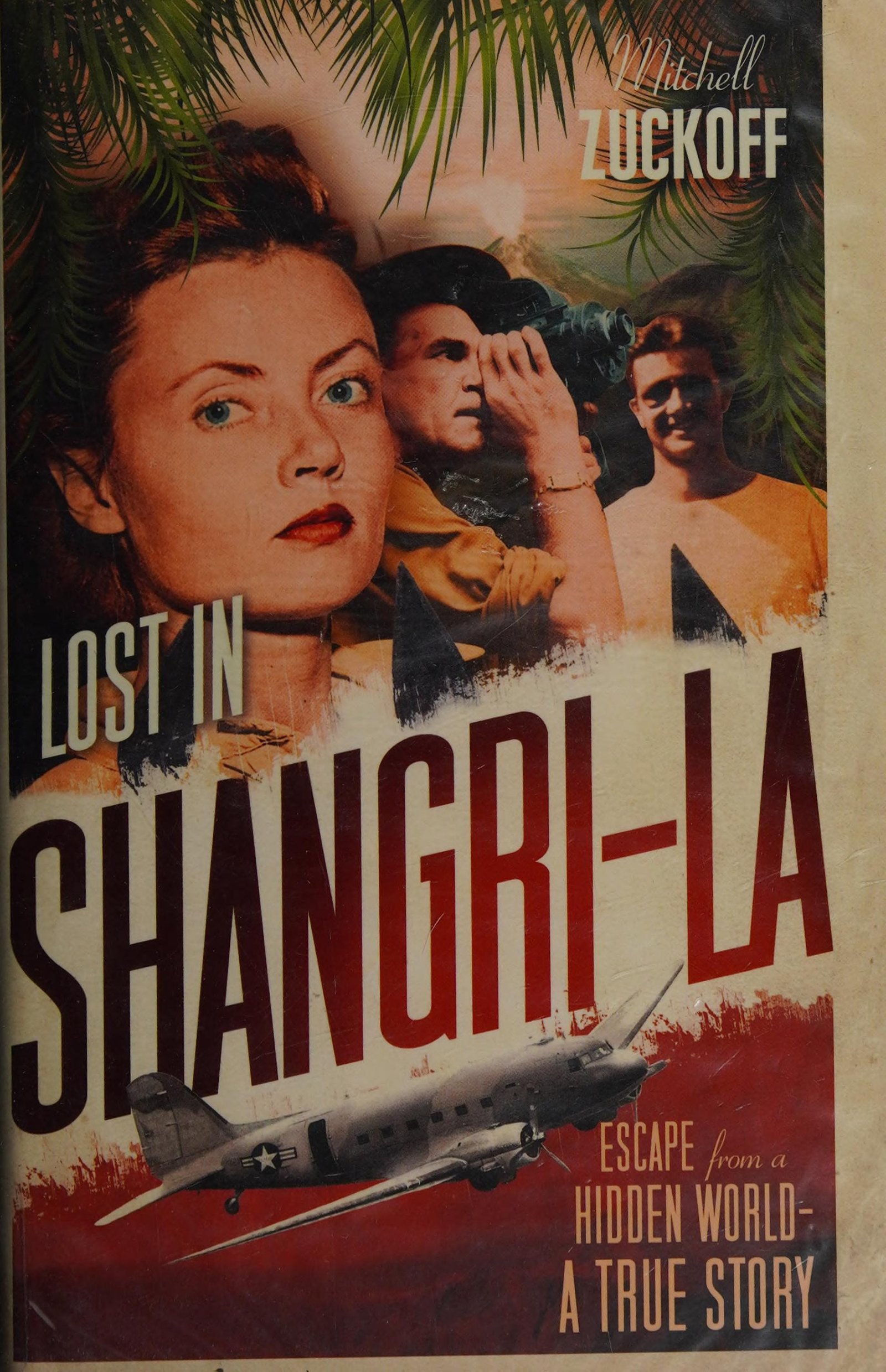
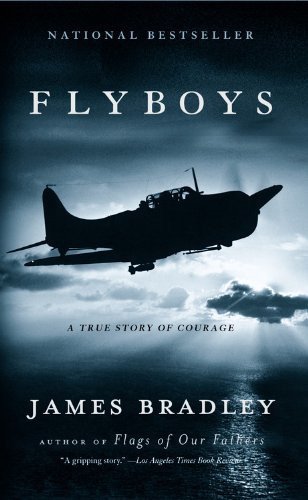
  2. Cover of Lost in Shangri-La: A True Story of Survival, Adventure, and the Most Incredible Rescue Mission of World War II by Mitchell Zuckoff

    Cover not available

    Lost in Shangri-La: A True Story of Survival, Adventure, and the Most Incredible Rescue Mission of World War II

    by Mitchell Zuckoff

    Three months before the end of World War II, a U.S. Army plane flying over New Guinea crashed in uncharted mountains inhabited by a Stone Age tribe. Nineteen passengers and crew were killed and two were mortally wounded. But somehow three survived: a lieutenant whose twin brother died in the crash, a sergeant who suffered terrible head wounds, and a beautiful member of the Women's Army Corps.

    Why it's similar

    Both books detail the catastrophic crash of a World War II U.S. military aircraft in the Pacific theater and the subsequent desperate struggle of the survivors to stay alive in isolated, hazardous territory. Both utilize an immersive narrative journalism style that highlights human courage under pressure.

    What's different

    Lost in Shangri-La focuses on an accidental crash in an isolated jungle valley and peaceful interaction with indigenous tribes rather than enemy combat, prolonged torture, or years of POW camp imprisonment.

  3. Cover of Flyboys: A True Story of Courage by James Bradley

    Cover not available

    Flyboys: A True Story of Courage

    by James Bradley

    The classic New York Times bestselling story of heroism and sacrifice--by the author of Flags of Our Fathers, The Imperial Cruise, and The China Mirage.

    This acclaimed bestseller brilliantly illuminates a hidden piece of World War II history as it tells the harrowing true story of nine American airmen shot down in the Pacific. One of them, George H. W. Bush, was miraculously rescued. What happened to the other eight remained a secret for almost 60 years.

    After the war, the American and Japanese governments conspired to cover up the shocking truth, and not even the families of the airmen were informed of what happened to their sons. Their fate remained a mystery--until now.

    FLYBOYS is a tale of courage and daring, of war and death, of men and hope. It will make you proud and it will break your heart.

    Why it's similar

    Both accounts focus on the harrowing fates of American airmen shot down during the air war in the Pacific theater and their treatment by Japanese captors during World War II. Both explore the psychological toll of warfare and the raw realities of combat survival.

    What's different

    Flyboys takes a broader historical and geopolitical approach examining the cultural motivations and aerial doctrines of both sides, whereas Unbroken maintains an intimate, character-driven focus on one man's lifelong trajectory and post-war redemption.

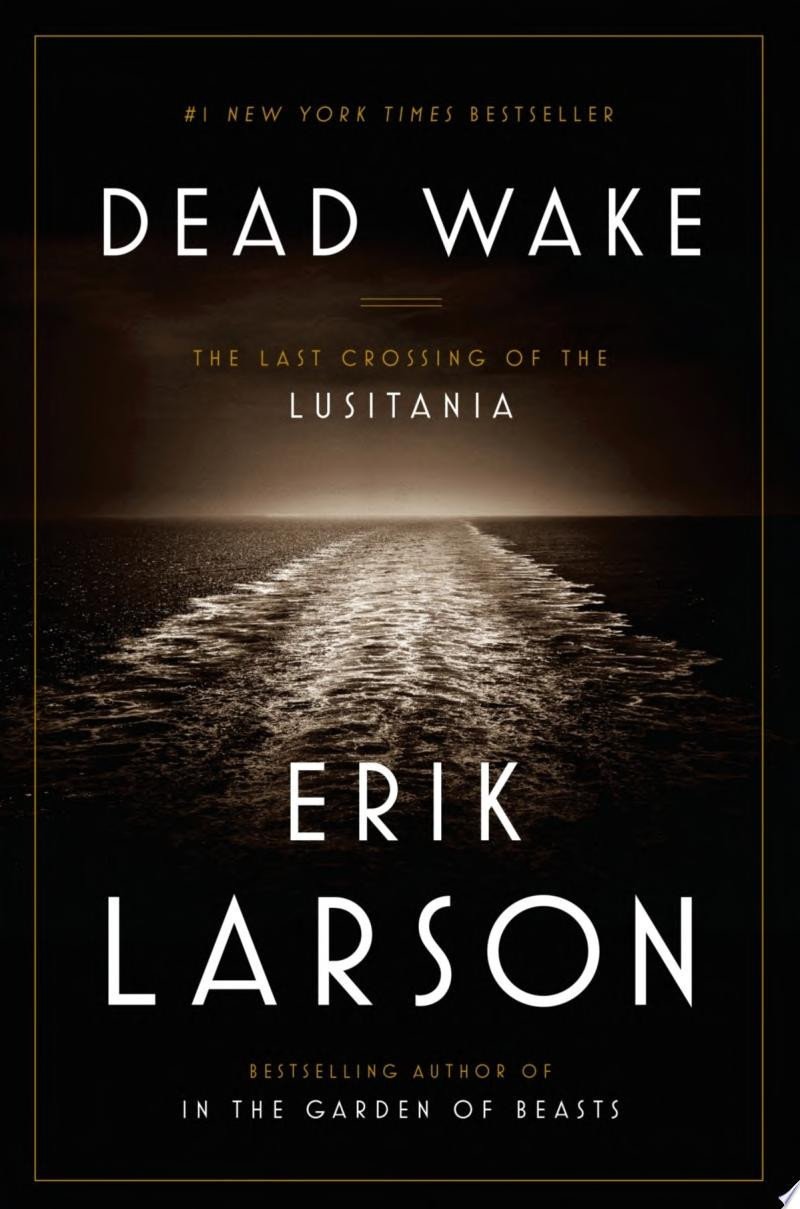
  4. Cover of Dead Wake: The Last Crossing of the Lusitania by Erik Larson

    Cover not available

    Dead Wake: The Last Crossing of the Lusitania

    by Erik Larson

    #1 NEW YORK TIMES BESTSELLER • From the bestselling author and master of narrative nonfiction comes the enthralling story of the sinking of the Lusitania

    “Both terrifying and enthralling.”—Entertainment Weekly
    “Thrilling, dramatic and powerful.”—NPR
    “Thoroughly engrossing.”—George R.R. Martin

    On May 1, 1915, with WWI entering its tenth month, a luxury ocean liner as richly appointed as an English country house sailed out of New York, bound for Liverpool, carrying a record number of children and infants. The passengers were surprisingly at ease, even though Germany had declared the seas around Britain to be a war zone. For months, German U-boats had brought terror to the North Atlantic. But the Lusitania was one of the era’s great transatlantic “Greyhounds”—the fastest liner then in service—and her captain, William Thomas Turner, placed tremendous faith in the gentlemanly strictures of warfare that for a century had kept civilian ships safe from attack.

    Germany, however, was determined to change the rules of the game, and Walther Schwieger, the captain of Unterseeboot-20, was happy to oblige. Meanwhile, an ultra-secret British intelligence unit tracked Schwieger’s U-boat, but told no one. As U-20 and the Lusitania made their way toward Liverpool, an array of forces both grand and achingly small—hubris, a chance fog, a closely guarded secret, and more—all converged to produce one of the great disasters of history.

    It is a story that many of us think we know but don’t, and Erik Larson tells it thrillingly, switching between hunter and hunted while painting a larger portrait of America at the height of the Progressive Era. Full of glamour and suspense, Dead Wake brings to life a cast of evocative characters, from famed Boston bookseller Charles Lauriat to pioneering female architect Theodate Pope to President Woodrow Wilson, a man lost to grief, dreading the widening war but also captivated by the prospect of new love.

    Gripping and important, Dead Wake captures the sheer drama and emotional power of a disaster whose intimate details and true meaning have long been obscured by history.

    Why it's similar

    Both are deeply researched narrative histories about World War-era events that read like suspenseful novels, focusing on endurance, human cost of war, and the intersection of individual lives with large-scale conflict.

    What's different

    It follows a civilian maritime disaster rather than a single soldier’s multi-year odyssey through war, survival camps, and postwar trauma, and it weaves in more political and espionage context around the sinking.

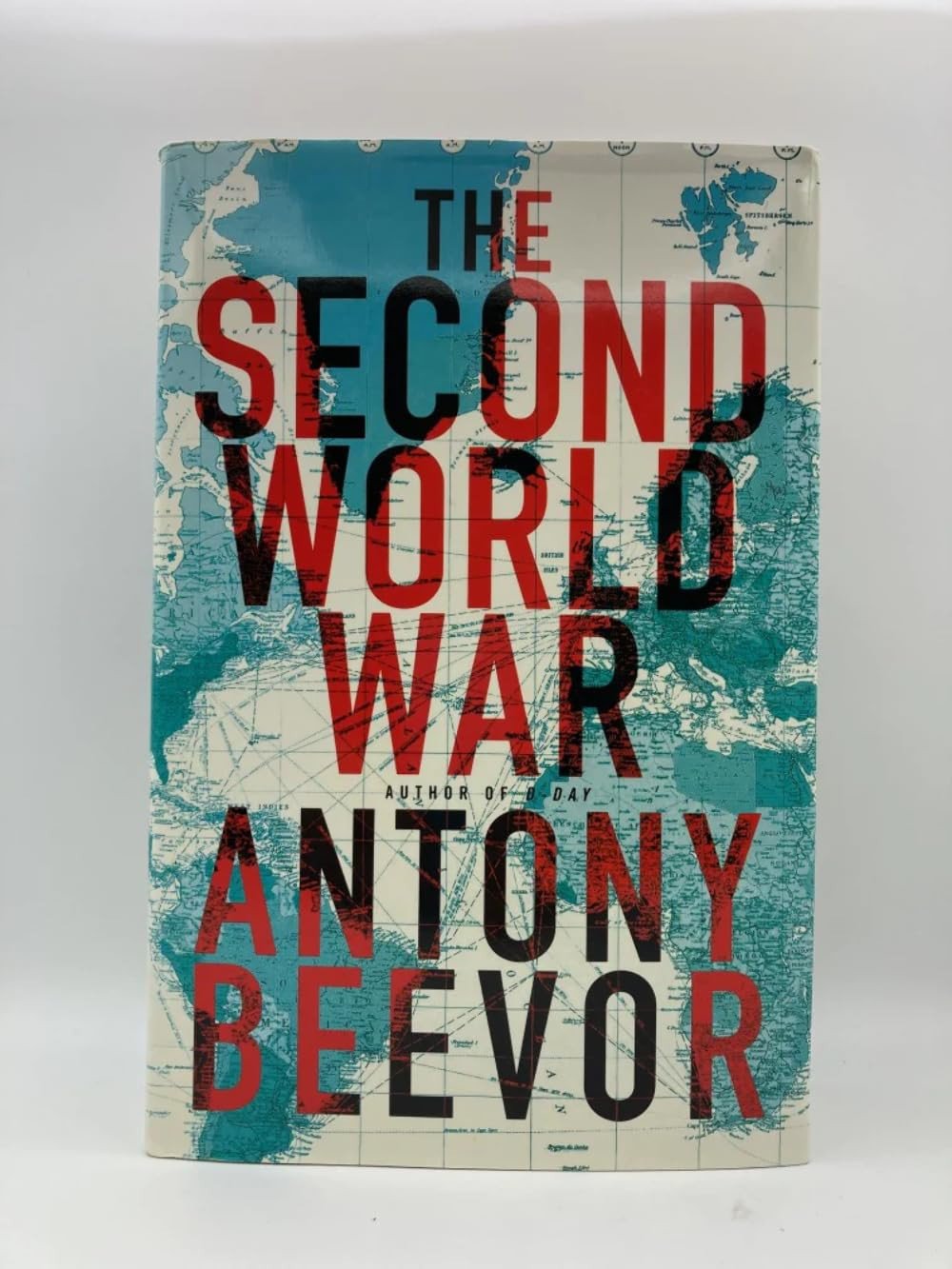
  5. Cover of The Second World War by Antony Beevor

    Cover not available

    The Second World War

    by Antony Beevor

    Over the past two decades, Antony Beevor has established himself as one of the world's premier historians of WWII. His multi-award winning books have included Stalingrad and The Fall of Berlin 1945. Now, in his newest and most ambitious book, he turns his focus to one of the bloodiest and most tragic events of the twentieth century, the Second World War.

    In this searing narrative that takes us from Hitler's invasion of Poland on September 1st, 1939 to V-J day on August 14th, 1945 and the war's aftermath, Beevor describes the conflict and its global reach--one that included every major power. The result is a dramatic and breathtaking single-volume history that provides a remarkably intimate account of the war that, more than any other, still commands attention and an audience.

    Thrillingly written and brilliantly researched, Beevor's grand and provocative account is destined to become the definitive work on this complex, tragic, and endlessly fascinating period in world history, and confirms once more that he is a military historian of the first rank.

    Why it's similar

    Both explore World War II in depth, highlighting the brutality of combat, the suffering of prisoners and civilians, and the extraordinary resilience displayed under extreme conditions, while maintaining accessible, narrative-driven prose.

    What's different

    Instead of immersing the reader in one man’s ordeal, it offers a broad, strategic overview of the entire war, with less emotional intimacy and more emphasis on military operations and global context.

Looking for something else?

Use our book recommendation tool to discover books similar to any of your favorites.

Find similar books with LibroMatch