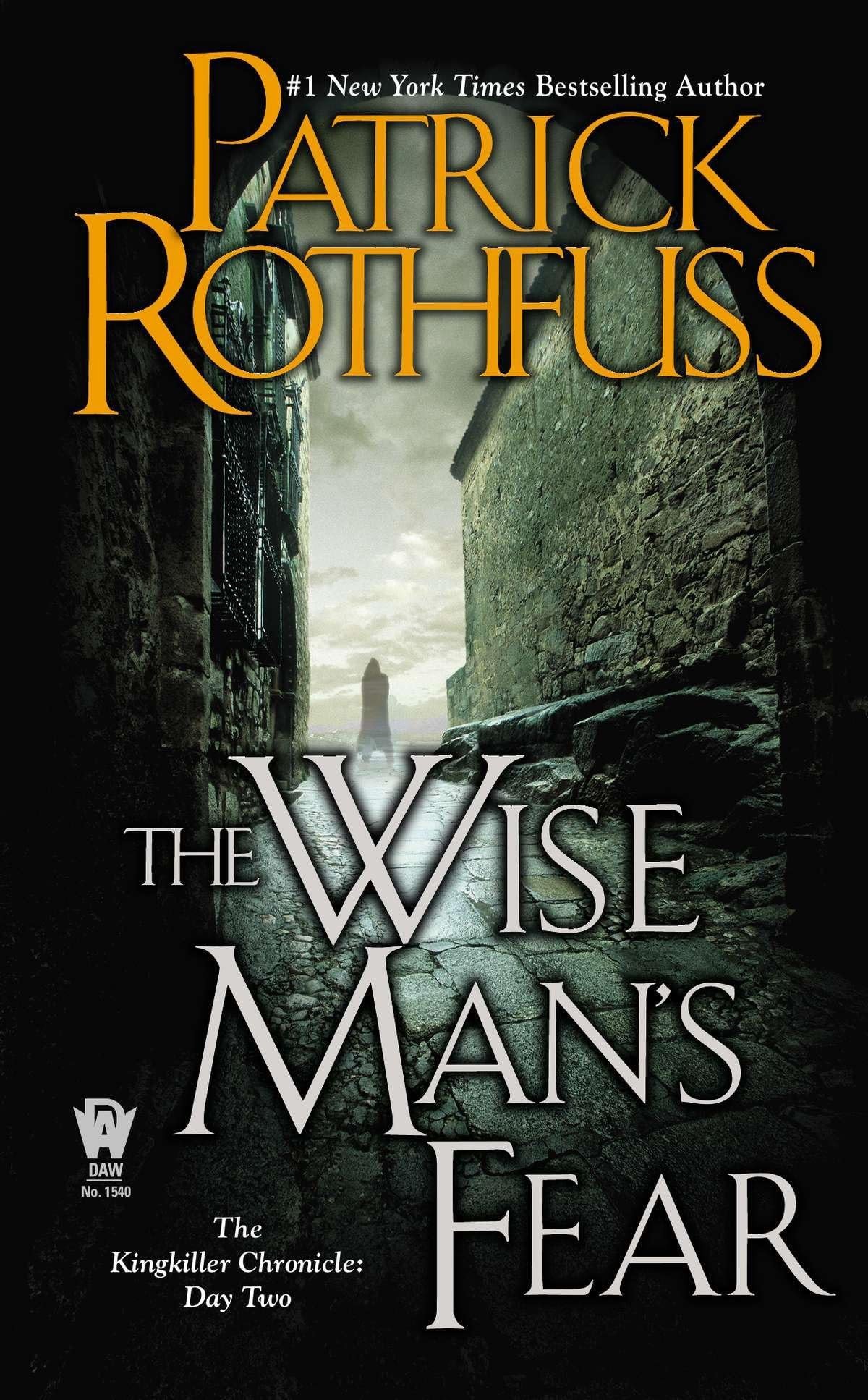
Cover of The Wise Man’s Fear by Patrick Rothfuss

4 book recommendations

Books Like “The Wise Man’s Fear” by Patrick Rothfuss

Readers adore The Wise Man’s Fear for Patrick Rothfuss’s lyrical prose, intricate magic, and Kvothe’s clever, unforgettable journey. If you crave immersive epic fantasy filled with rich world-building and brilliant, coming-of-age storytelling, you are in the right place. Explore these captivating tales to find your next great fantasy obsession.

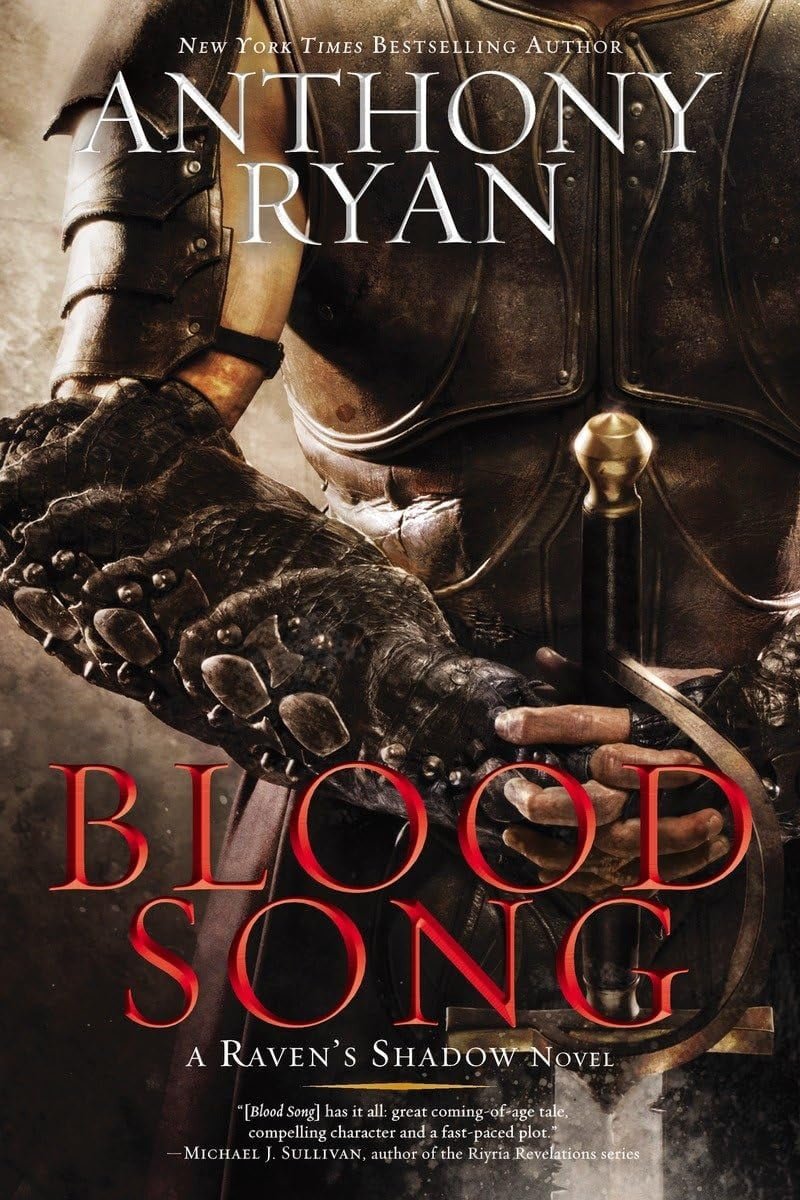
  1. Cover of Blood Song by Anthony Ryan

    Cover not available

    Blood Song

    by Anthony Ryan

    The first in the “powerful” (SFFWorld.com) New York Times bestselling fantasy series.

    Vaelin Al Sorna was only a child of ten when his father left him at the iron gate of the Sixth Order to be trained and hardened to the austere, celibate and dangerous life of a warrior of the Faith. He has no family now save the Order.

    Vaelin’s father was Battle Lord to King Janus, ruler of the Unified Realm—and Vaelin’s rage at being deprived of his birthright knows no bounds. Even his cherished memories of his mother are soon challenged by what he learns within the Order.

    But one truth overpowers all the rest: Vaelin Al Sorna is destined for a future he has yet to comprehend. A future that will alter not only the Realm but the world.

    Why it's similar

    Both novels employ a retrospective framing device where a legendary warrior dictates his life story to an imperial chronicler, tracing his rigorous institutional training and mystical coming-of-age.

    What's different

    Ryan's work focuses primarily on gritty military campaigns and religious warfare rather than Rothfuss's emphasis on poetic folklore, musical artistry, and courtly romance.
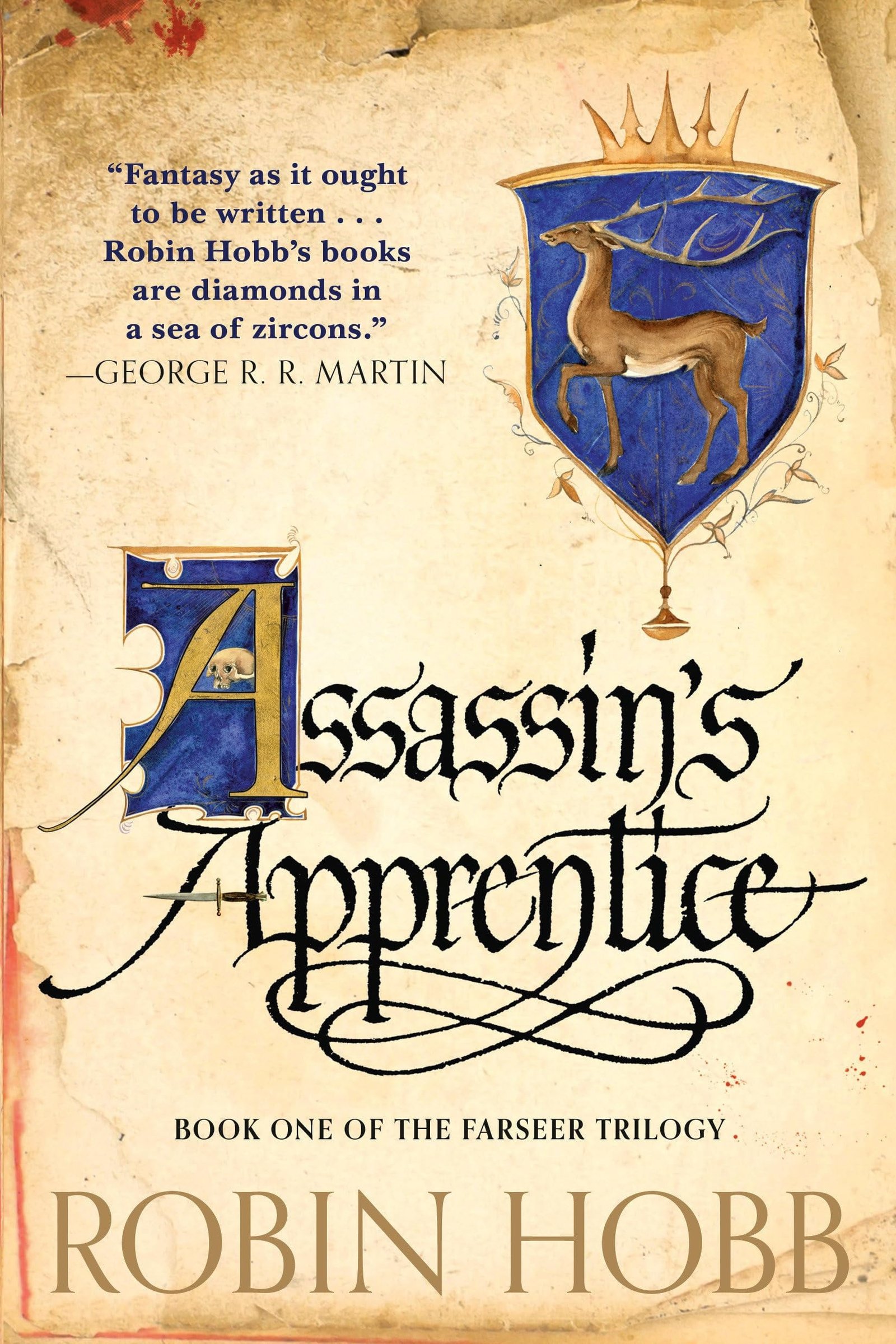
  2. Cover of Assassin's Apprentice by Robin Hobb

    Cover not available

    Assassin's Apprentice

    by Robin Hobb

    “Fantasy as it ought to be written . . . Robin Hobb’s books are diamonds in a sea of zircons.”—George R. R. Martin

    Young Fitz is the bastard son of the noble Prince Chivalry, raised in the shadow of the royal court by his father’s gruff stableman. He is treated as an outcast by all the royalty except the devious King Shrewd, who has him secretly tutored in the arts of the assassin. For in Fitz’s blood runs the magic Skill—and the darker knowledge of a child raised with the stable hounds and rejected by his family.

    As barbarous raiders ravage the coasts, Fitz is growing to manhood. Soon he will face his first dangerous, soul-shattering mission. And though some regard him as a threat to the throne, he may just be the key to the survival of the kingdom.

    Praise for Robin Hobb and Assassin’s Apprentice

    “A gleaming debut in the crowded field of epic fantasies . . . a delightful take on the powers and politics behind the throne.”—Publishers Weekly

    “This is the kind of book you fall into, and start reading slower as you get to the end, because you don’t want it to be over.”—Steven Brust

    Why it's similar

    Both stories are first-person retrospective memoirs about an isolated, gifted boy navigating complex magical training and hazardous royal court politics under the tutelage of flawed mentors.

    What's different

    Hobb presents a much darker, emotionally melancholic character study centered on duty and isolation, contrasting with Kvothe's swaggering, virtuosic legend-building.

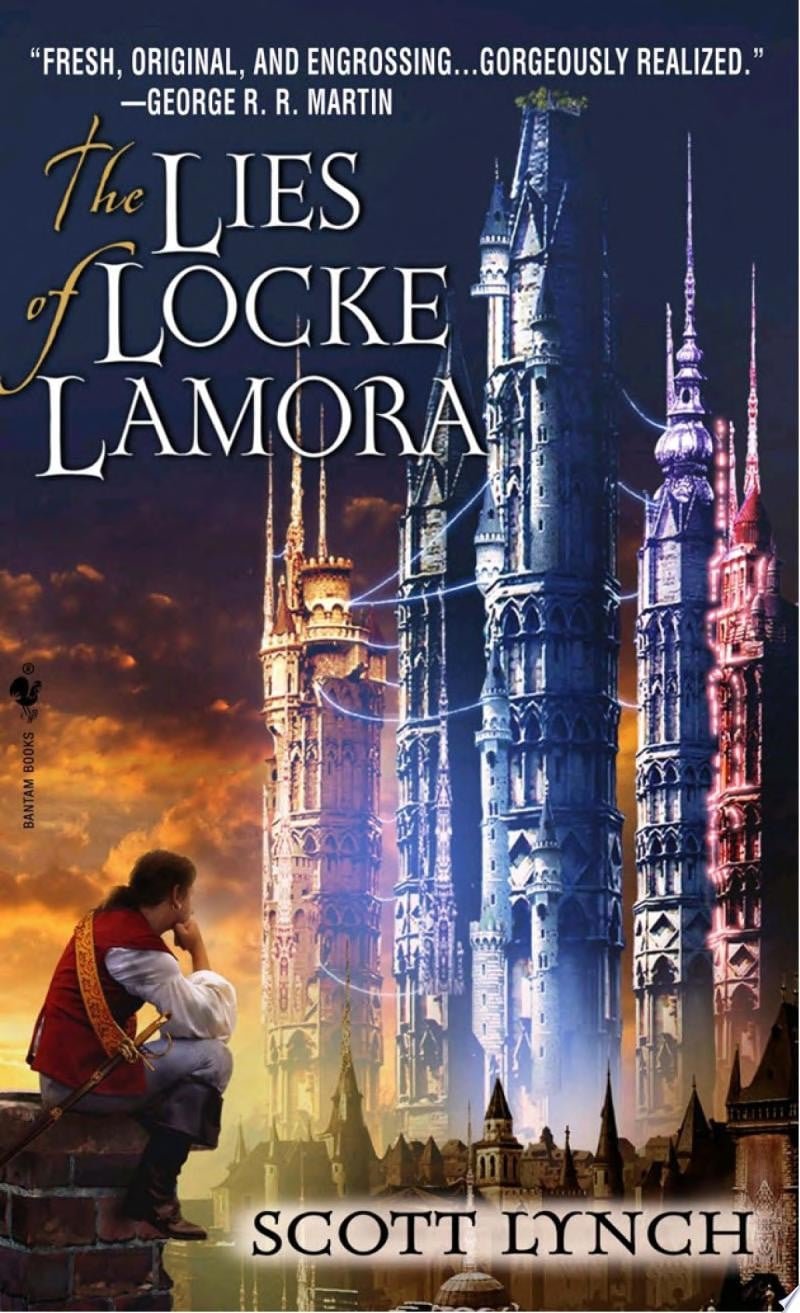
  3. Cover of The Lies of Locke Lamora by Scott Lynch

    Cover not available

    The Lies of Locke Lamora

    by Scott Lynch

    The first book of the epic fantasy caper Gentleman Bastard Sequence about a roguish group of conmen, which George R. R. Martin says “captured me right on the first page and never let me go.”

    “If you haven’t read [The Lies of Locke Lamora], you should. If you have read it, you should probably read it again.”—Patrick Rothfuss

    An orphan’s life is harsh—and often short—in the mysterious island city of Camorr. But young Locke Lamora dodges relentless danger, becoming a thief under the tutelage of a gifted con artist. As leader of the band of light-fingered brothers known as the Gentlemen Bastards, Locke is soon infamous, fooling even the underworld’s most feared ruler. But in the shadows lurks someone still more ambitious and deadly. Faced with a bloody coup that threatens to destroy everyone and everything that holds meaning in his mercenary life, Locke vows to beat the enemy at his own brutal game—or die trying.

    Why it's similar

    Both feature highly intelligent, orphaned prodigies who rely on theatrical deception, intellect, and sheer audacity to survive and outwit aristocratic elites in richly realized fantasy worlds.

    What's different

    Lynch utilizes a third-person perspective and dual-timeline structure tightly focused on ensemble heist mechanics rather than a solitary wizard's epic, magical journey.

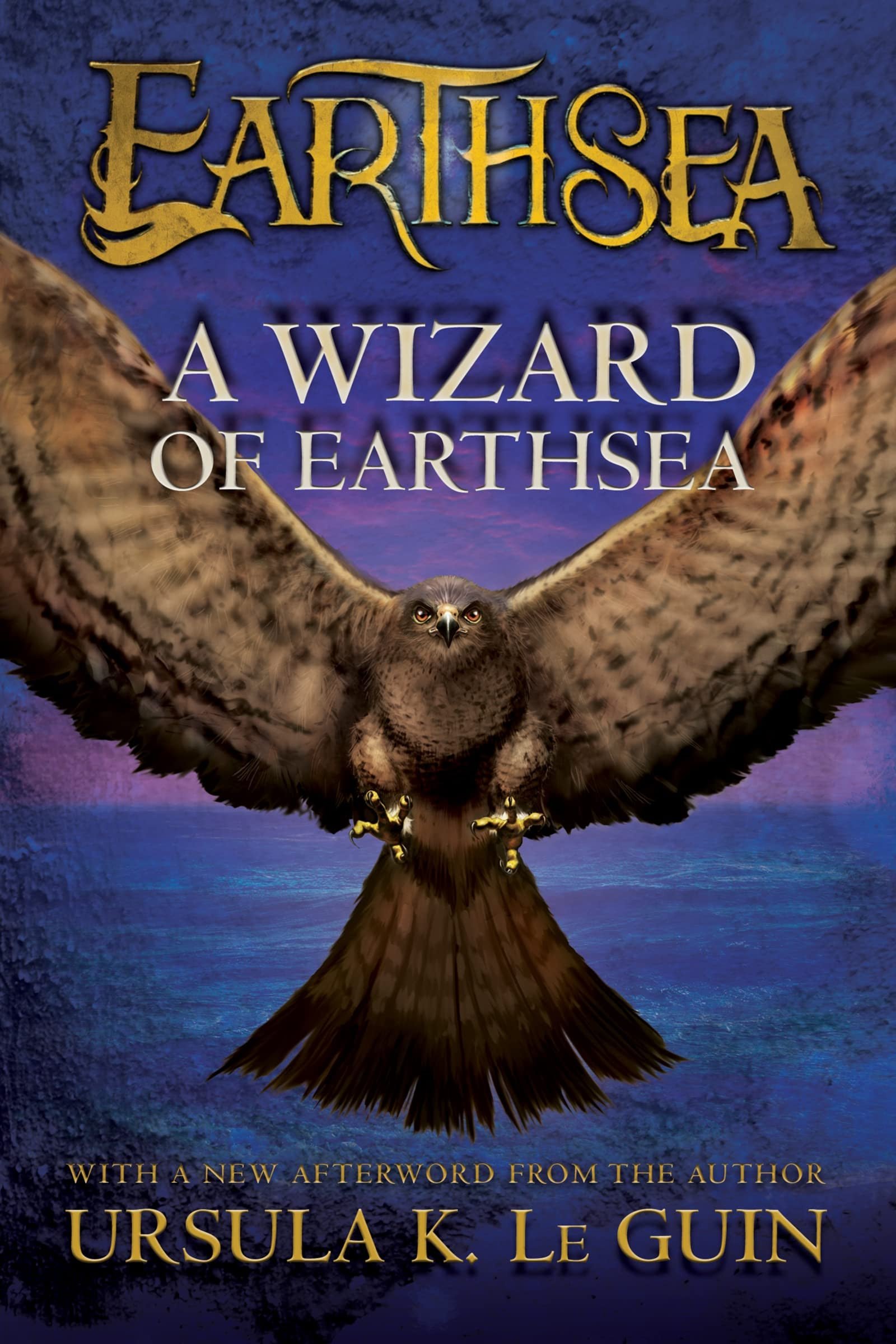
  4. Cover of A Wizard of Earthsea by Ursula K. Le Guin

    Cover not available

    A Wizard of Earthsea

    by Ursula K. Le Guin

    Originally published in 1968, Ursula K. Le Guin'sA Wizard of Earthsea marks the first of the six now beloved Earthsea titles. Ged was the greatest sorcerer in Earthsea, but in his youth he was the reckless Sparrowhawk. In his hunger for power and knowledge, he tampered with long-held secrets and loosed a terrible shadow upon the world. This is the tumultuous tale of his testing, how he mastered the mighty words of power, tamed an ancient dragon, and crossed death's threshold to restore the balance.

    Why it's similar

    Both narratives feature a proud, exceptionally talented youth attending a prestigious school where he masters a magic system rooted in the discovery of true names.

    What's different

    Le Guin tells a concise, philosophical parable in the third person, lacking the expansive, episodic page count and framed storytelling format of Rothfuss's work.

Looking for something else?

Use our book recommendation tool to discover books similar to any of your favorites.

Find similar books with LibroMatch